
In the world of fresh produce processing, one challenge continues to resist simple solutions: how to efficiently separate delicate products from their natural structures without compromising quality. Whether it’s grapes from stems, cherry tomatoes from vines, or berries from clusters, the industry has long faced a trade-off between speed and product integrity.
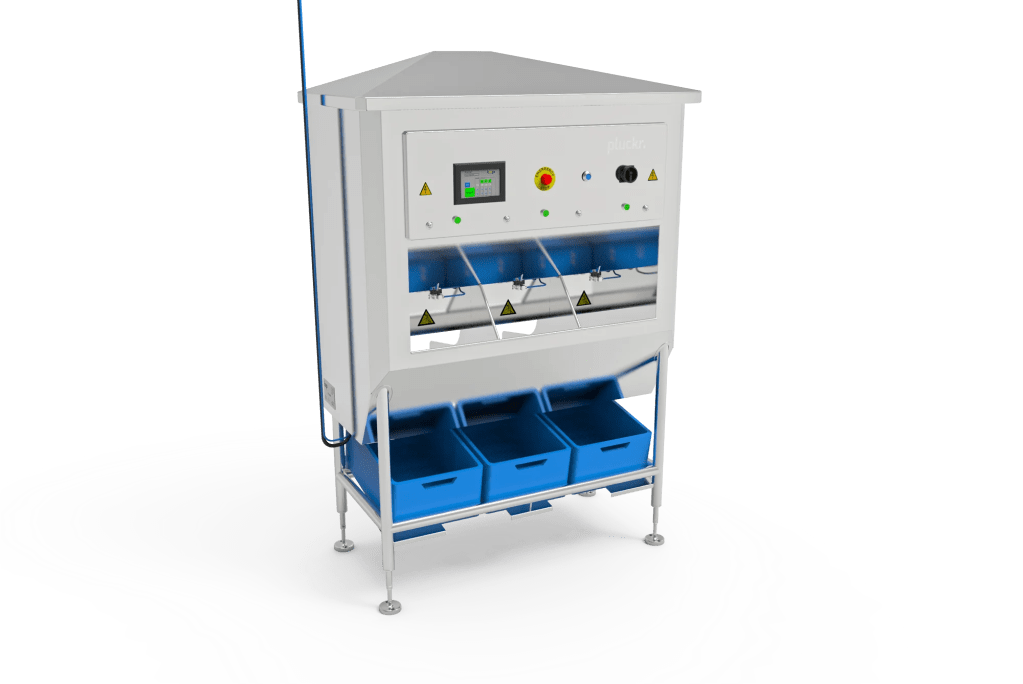
Enter Pluckr, a new generation system that is quietly reshaping expectations in automated produce handling.
A Shift from Force to Finesse
Traditional destemming and separation systems often rely on mechanical force. While effective in throughput, these approaches can lead to bruising, product loss, and inconsistent results—especially with premium or fragile produce.
Pluckr takes a fundamentally different approach. Instead of forcing separation, the system is designed around controlled, gentle detachment, mimicking the natural way fruit is removed by hand. This shift—from force to finesse—is where the innovation lies.
At its core, Pluckr combines precision engineering with intelligent motion control to ensure that each product is handled individually, not as part of a bulk mass. The result is a system that maintains the structural and visual quality of the produce, even at industrial scale.
Designed for Modern Food Processing
The demand for high-quality, ready-to-eat fresh products is growing rapidly. Retailers and foodservice operators are increasingly looking for consistency, minimal waste, and premium appearance. This is particularly true in segments such as fresh fruit snacks, convenience packs, and high-end ingredients.
Pluckr is built with these trends in mind. The system integrates seamlessly into modern processing lines and is capable of handling varying product sizes and conditions. Its flexibility makes it suitable not only for grapes, but also for a broader range of clustered or stem-bound produce.
Reducing Waste, Increasing Value
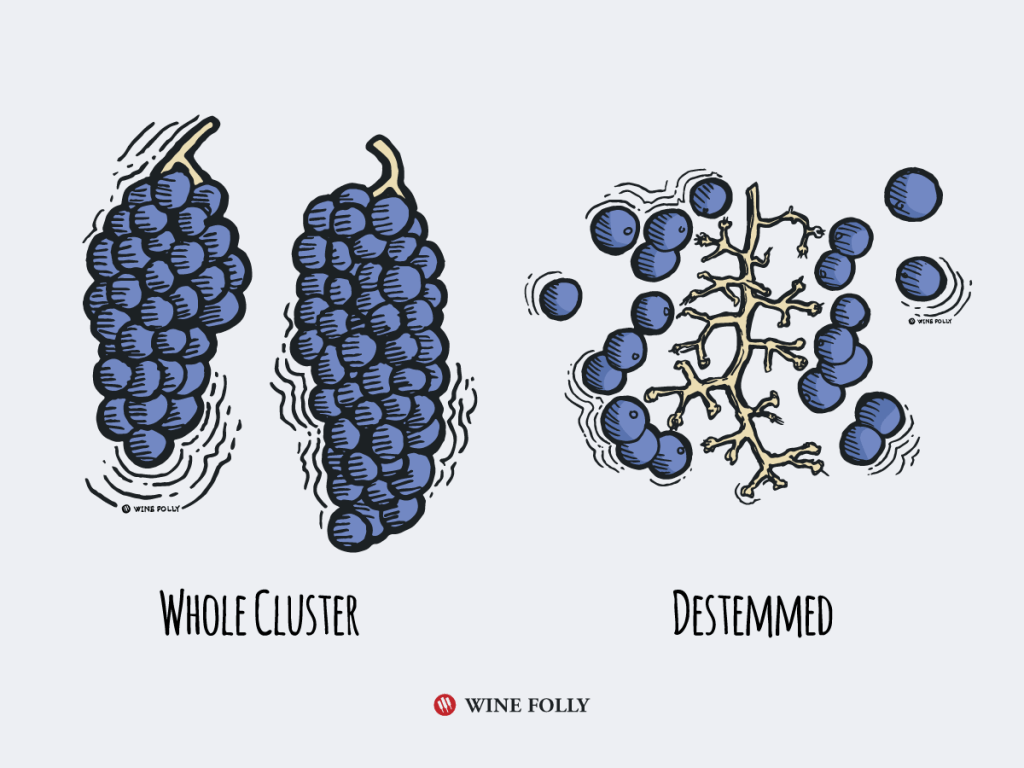
One of the most compelling aspects of Pluckr is its impact on yield. In conventional systems, product damage and incomplete separation can lead to significant losses. Even small improvements in recovery rates can translate into substantial economic gains at scale.
By minimizing mechanical stress and optimizing detachment, Pluckr helps processors recover more usable product. At the same time, it reduces the need for downstream sorting and rework, further improving operational efficiency.
This combination of higher yield and lower waste directly supports both profitability and sustainability goals—two factors that are increasingly intertwined in the food industry.
Automation with a Human Touch
What makes Pluckr particularly interesting is how it bridges the gap between manual craftsmanship and industrial automation. The system effectively replicates the careful handling of a skilled worker, but with the consistency and scalability of a machine.
This “human-like” approach to automation reflects a broader trend in food technology: moving away from purely mechanical solutions toward systems that understand and respect the physical properties of food.
For producers, this means they no longer have to choose between efficiency and quality. With Pluckr, both can be achieved simultaneously.
A Platform for Future Innovation
Beyond its current applications, Pluckr represents a platform technology with significant future potential. As sensor technology, AI, and robotics continue to evolve, systems like Pluckr could become even more adaptive—responding in real time to variations in product type, ripeness, and condition.
This opens the door to a new generation of smart processing lines, where machines not only execute tasks but also optimize them dynamically.
Conclusion
Pluckr is more than just a destemming system—it is a statement about where food processing is heading. By prioritizing gentle handling, precision, and adaptability, it aligns perfectly with the demands of modern fresh produce markets.
For companies looking to upgrade their processing capabilities, reduce waste, and deliver consistently high-quality products, Pluckr offers a glimpse into the future of automation—one where technology works with the product, not against it.
 Natural Processing Solutions b.v.
Leave a comment